If you have ever asked yourself, How long does it take to clean a hotel room, the answer is more detailed than it may seem. The timeframe depends on room size, occupancy level, required standards, and the efficiency of the housekeeping team. Some rooms can be refreshed in less than thirty minutes, while others require significantly more time, especially when deeper sanitation is involved.
For hotel operators and property managers, time is directly tied to revenue. A room that is not ready on schedule affects check-ins, guest satisfaction, and operational flow.
Moving too quickly, however, increases the risk of missed details that may influence reviews and long-term reputation. The balance between speed and thoroughness is what separates routine housekeeping from professional hotel cleaning.
Understanding Standard Cleaning Timeframes
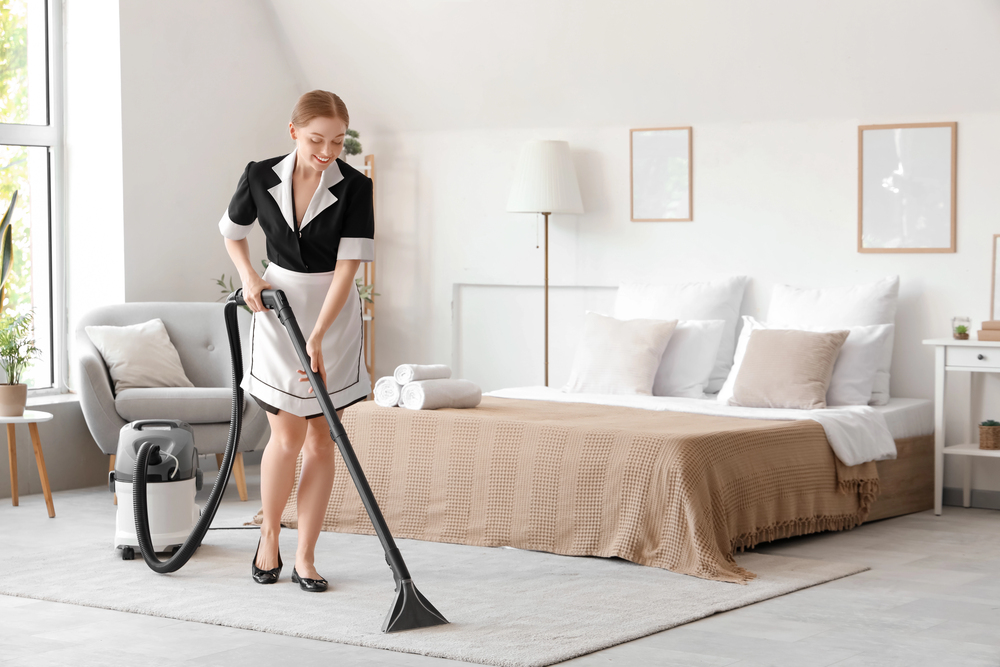
In many hotels, cleaning a standard occupied room takes between 20 and 45 minutes. Tasks usually include changing linens, disinfecting high-touch surfaces, cleaning the bathroom, vacuuming, restocking amenities, and resetting the room to brand expectations. The exact timeframe depends largely on how the guest left the room.
Check-out rooms often require more time than stayover services. After a guest departs, the space must be fully reset. Bedding is stripped and replaced, bathrooms are scrubbed in greater detail, and each surface is carefully inspected. Depending on the condition of the room, this process may take 30 to 60 minutes.
Larger suites and luxury accommodations require additional attention. Extra bathrooms, living areas, kitchenettes, and specialty furnishings increase the workload. In these situations, cleaning can extend beyond an hour, particularly when presentation standards are high. When hotel operators ask, How long does it take to clean a hotel room, the type of room plays a major role in the answer.
What Affects Cleaning Time?
Room size is one of the most obvious factors. A compact single room requires less time than a multi-room suite. Layout also influences efficiency. Open designs allow staff to move quickly, while tight or segmented spaces can slow progress.
Guest behavior significantly impacts cleaning duration. A lightly used room with minimal clutter can be reset efficiently. A room left with heavy waste, stained linens, or damaged items demands more detailed attention. Spills, odors, and excess debris extend the process.
Seasonal demand also affects timing. During peak travel periods, occupancy rates increase and turnover windows become shorter. Housekeeping teams work within tight schedules between check-out and check-in. Workflow organization becomes critical during these periods to maintain consistency.
The Condition of Linens and Surfaces
Certain tasks require more time than others. Replacing bedding may seem simple, yet inspections of mattresses, protectors, and potential stains add steps to the process. Bathrooms demand thorough disinfection of sinks, toilets, showers, and flooring. Buildup or residue increases scrubbing time.
High-touch areas require focused attention. Door handles, remote controls, light switches, telephones, and desks must be disinfected carefully. Guests expect visible cleanliness and reassurance that hygiene standards are taken seriously.
Flooring introduces another layer of complexity. Quick vacuuming may be adequate in lightly used rooms. Visible debris, sand, or stains require additional passes or spot treatment. Hard floors must be swept and mopped, with edges and corners carefully addressed. These variables help explain why the question “How long does it take to clean a hotel room?” does not have a single fixed answer.
Deep Cleaning Versus Turnover Cleaning
Daily turnover cleaning differs from scheduled deep cleaning. Turnover cleaning focuses on preparing the room for the next guest. Deep cleaning is more comprehensive and time-intensive.
Deep cleaning tasks may include carpet shampooing, curtain washing, polishing fixtures, cleaning behind furniture, and removing dust from vents and baseboards. Depending on size and condition, deep cleaning can take several hours per room. Hotels often rotate these tasks to maintain availability while protecting long-term property condition.
Without periodic deep maintenance, rooms can gradually lose their appeal. Dust collects in hidden areas, fixtures lose their shine, and bathrooms develop buildup. Routine deep cleaning supports property value and maintains alignment with guest expectations.
Balancing Efficiency With Guest Experience
Guests rarely think about the cleaning process itself. What they notice is the result. Crisp bedding, spotless bathrooms, fresh air, and a welcoming presentation shape their first impression. If a room feels rushed or incomplete, it can overshadow the rest of their stay. At the same time, hotels operate on tight timelines. Late check-outs and early arrivals create narrow windows for preparation.
Efficient systems help housekeeping teams meet deadlines without sacrificing quality. For managers, the concern extends beyond “How long does it take to clean a hotel room?” Consistency in that timeframe is equally important. Predictable turnaround allows front desk staff to communicate accurate readiness updates.
Technology and Workflow Optimization
Modern hospitality increasingly integrates technology to streamline housekeeping operations. Digital task assignments, room status updates, and tracking systems reduce communication gaps between departments. When housekeeping and front desk teams are aligned in real time, room readiness improves. Inventory management also affects cleaning speed.
When supplies are well-stocked and accessible, staff avoid unnecessary trips to storage areas. Organized carts, labeled products, and clearly defined responsibilities contribute to smoother workflows. Training remains the foundation of performance. Teams that receive ongoing instruction in hygiene standards, time management, and presentation techniques tend to maintain steady output without cutting corners.
Why Professional Cleaning Makes A Difference
For hotels that attempt to manage housekeeping internally without structured systems, inconsistencies often appear. Staff turnover, lack of training, and unclear procedures can slow cleaning times and reduce quality. Over time, guest reviews reflect these gaps.
Partnering with experienced cleaning professionals brings structure and reliability. Teams arrive with established processes and clear accountability. Managers gain peace of mind knowing rooms will be ready when needed. When cleaning is handled with care and discipline, it becomes an asset rather than a source of stress. Rooms turn over efficiently, guests feel comfortable, and operations run smoothly.
If you want reliable hotel room cleaning that keeps your property running on schedule and your guests satisfied, our team at Cleaning Master is ready to work with you. Contact us today to discuss your hotel’s cleaning needs and discover how we can help you maintain a professional, welcoming environment that your guests will remember.
Contact Us
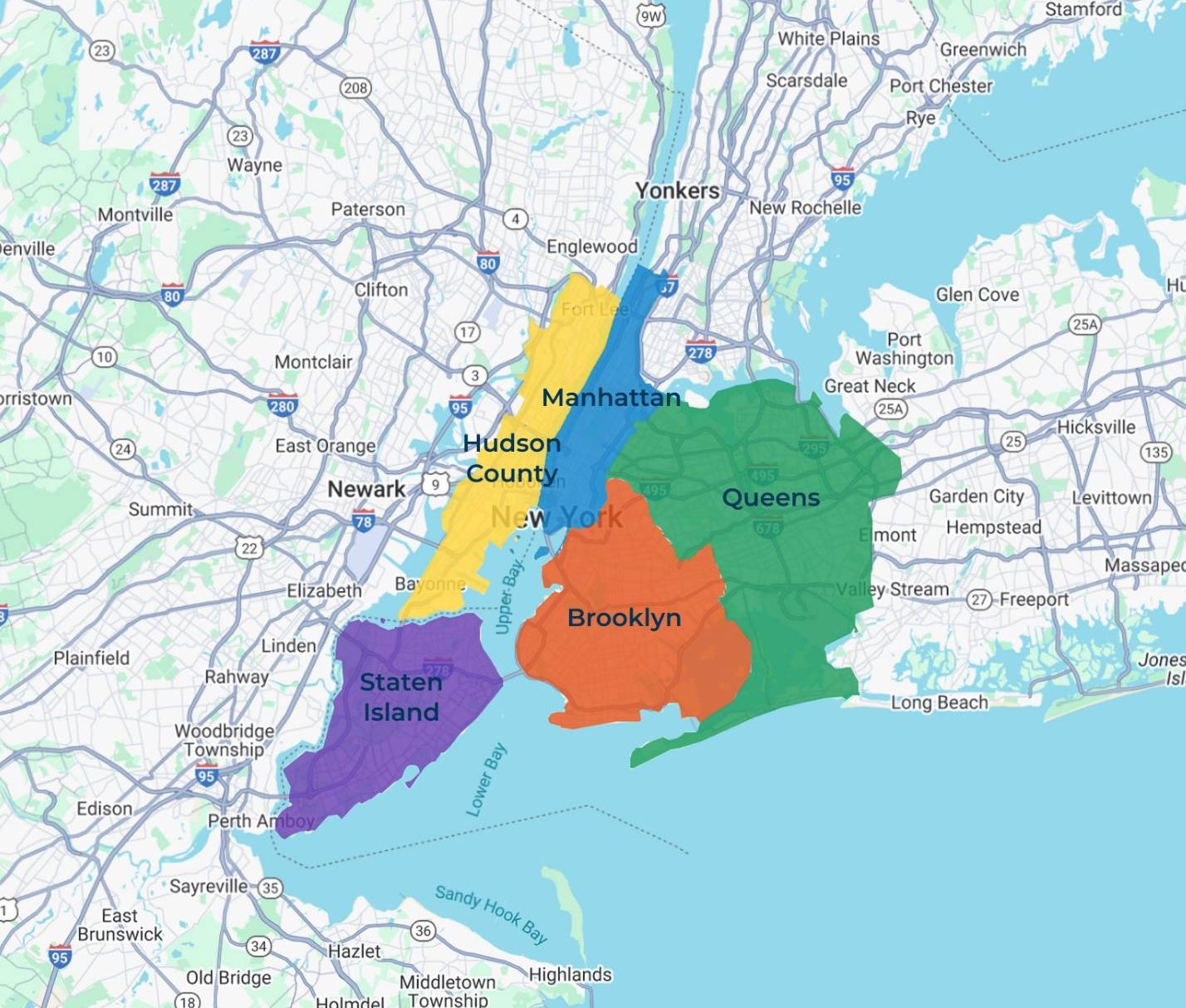
Let Cleaning Master handle it for you. Do you need a quick refresh or a thorough deep clean? Our team is here to help.
Service Area