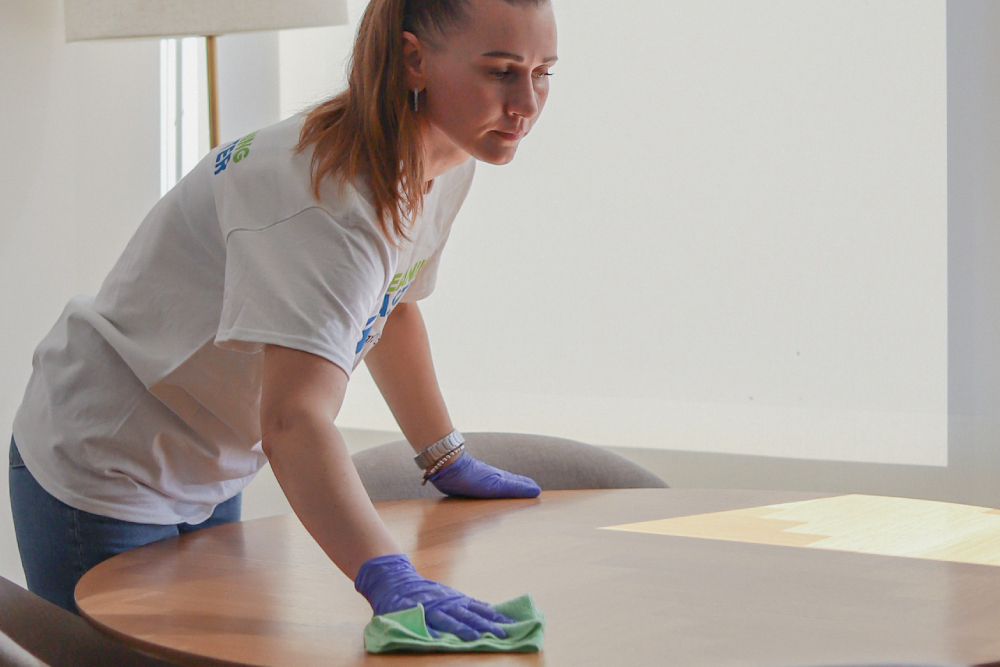
Post-construction cleaning is often the final, yet most important, step in any building or renovation project. After walls are painted, floors are installed, and fixtures are set, the space can still feel unfinished due to dust, adhesive residue, and leftover debris. Understanding the process of post-construction cleaning makes sure that your space is not only visually appealing but also safe, sanitary, and ready for use.
Unlike routine janitorial tasks, post-construction cleaning deals with materials and surfaces that have endured heavy handling and exposure to construction processes. Dust particles settle in hidden corners, sawdust mixes with drywall residue, and grout or paint splatters may cling to floors and counters. The right approach relies on careful planning, specialized tools, and systematic execution to achieve the best results.
Key Challenges in Post-Construction Cleaning
Construction environments present challenges that differ from standard maintenance tasks. Fine dust can infiltrate HVAC systems, collect on light fixtures, and settle on high or hard-to-reach surfaces. Adhesives, caulking, and paint may leave behind marks that require targeted removal techniques.
Debris volume is another concern. Scraps of wood, drywall fragments, packaging materials, and leftover hardware must be cleared carefully to avoid damage or injury. Safety remains a priority throughout the process. Sharp nails, screws, and broken glass may be present, requiring protective gear and cautious handling. Successful post-construction cleaning depends on proper technique, suitable tools, and organized time management.
The Multi-Phase Cleaning Approach
Effective post-construction cleaning typically follows a multi-phase approach. Breaking the process into stages ensures that each element of the space receives the attention it needs without overlooking hidden areas.
- Rough Clean: The first stage centers on removing large debris and construction waste. Loose materials are collected, and bulky items such as discarded packaging or leftover supplies are cleared. Floors are swept and vacuumed to prepare the space for more detailed tasks. This phase establishes a clean foundation for the next steps.
- Light Clean: After the major debris is removed, the light clean addresses the finer details. Surfaces are dusted, counters wiped, and floors mopped or scrubbed. Walls and fixtures are carefully cleaned to remove drywall dust, paint residue, or adhesive. Windows and glass surfaces may be washed, and trim, baseboards, and doors receive focused attention to remove streaks or smudges.
- Final Clean: The final phase refines the space into a polished and functional environment. Floors are buffed or polished as needed, glass surfaces are inspected for clarity, and all areas are reviewed for remaining dust or debris. This stage prepares the property for inspections, move-ins, or immediate occupancy without visible signs of recent construction.
Room-by-Room Considerations
Post-construction cleaning is most effective when tackled systematically, moving room by room. Each space has unique requirements depending on the materials used and its intended function.
- General Areas: Floors are swept, vacuumed, and mopped thoroughly. Dust is removed from horizontal and vertical surfaces, including shelves, ledges, and vents. Light switches, outlets, and door handles are wiped down, as fine dust often accumulates in these overlooked areas.
- Cabinets and Closets: Cabinet interiors and shelving collect dust during renovation work. Cleaning both interior and exterior surfaces prepares storage spaces for immediate use. Closets receive the same detailed attention, including rods, corners, and upper shelves.
- Bathrooms: Bathrooms require detailed sanitation. Toilets, sinks, tubs, and showers are scrubbed and disinfected. Mirrors and fixtures are polished, and grout lines are cleaned to remove residue. Baseboards, corners, and ventilation covers are addressed to eliminate hidden dust.
- Kitchens and Break Areas: Countertops and backsplashes are wiped and disinfected. Appliances are cleaned inside and out, sinks scrubbed, and floors thoroughly washed. Attention to detail in kitchens is essential to prevent dust or residues from contaminating food preparation areas.
- Windows and Glass Surfaces: Cleaning windows and glass surfaces is often one of the most noticeable differences between a space under construction and one that is ready for use. All glass is washed, and protective films, stickers, or tape residues are removed. Frames and sills are dusted and polished to restore clarity and shine.
Specialized Tools and Techniques
Professional post-construction cleaning requires equipment that extends beyond basic janitorial supplies. Microfiber cloths and commercial-grade mops capture fine particles without redistributing them. HEPA filter vacuums remove airborne dust that may linger after sweeping.
Scrapers, brushes, and appropriate cleaning agents help remove adhesives and paint spots while protecting delicate surfaces. Pressure washers may be used on exterior areas or durable flooring to eliminate stubborn buildup. Skilled professionals adjust their techniques based on the materials present, reducing the risk of surface damage and preserving finishes.
Benefits of Hiring Professionals
While post-construction cleaning can be attempted in-house, hiring trained professionals brings significant advantages. Teams experienced in post-construction cleaning understand the sequence of tasks, have access to specialized equipment, and work efficiently to reduce downtime. They also follow safety protocols, so that hazardous materials or sharp debris are handled appropriately.
Professional services provide peace of mind, knowing that every surface, from floors and walls to cabinets and glass, is thoroughly cleaned. For commercial properties, this results in a safe and welcoming environment for employees, clients, and visitors. Additionally, professional cleaning can protect warranties and finishes by using approved methods and materials.
Safety and Compliance Considerations
Post-construction cleaning addresses more than appearance. Construction projects may leave behind nails, screws, sharp fragments, or chemical residues that present risks. Protective equipment such as gloves, eye protection, and dust masks is essential throughout the process.
Trained professionals recognize potential hazards and confirm that the space meets health and safety standards before use. For commercial properties, compliance with building regulations and occupational guidelines is essential. Clean and debris-free environments reduce liability and support safe occupancy.
Hiring professional services for post-construction cleaning offers efficiency, safety, and superior results. Our team at Cleaning Master brings the experience and equipment necessary to tackle even the most challenging construction sites, leaving your property spotless and ready for use.
Contact Cleaning Master today to schedule your post-construction cleaning and experience the difference a professional service can make.
Contact Us
Let Cleaning Master handle it for you. Do you need a quick refresh or a thorough deep clean? Our team is here to help.
Service Area